
01
Verify the source
Check the domain independently and avoid unsolicited download links.
Check Before InstallingExplore local-key principles, multi-network assets and thoughtful transaction checks in one clear product experience. Good wallet habits begin before the first transfer.
Explore our approach ↗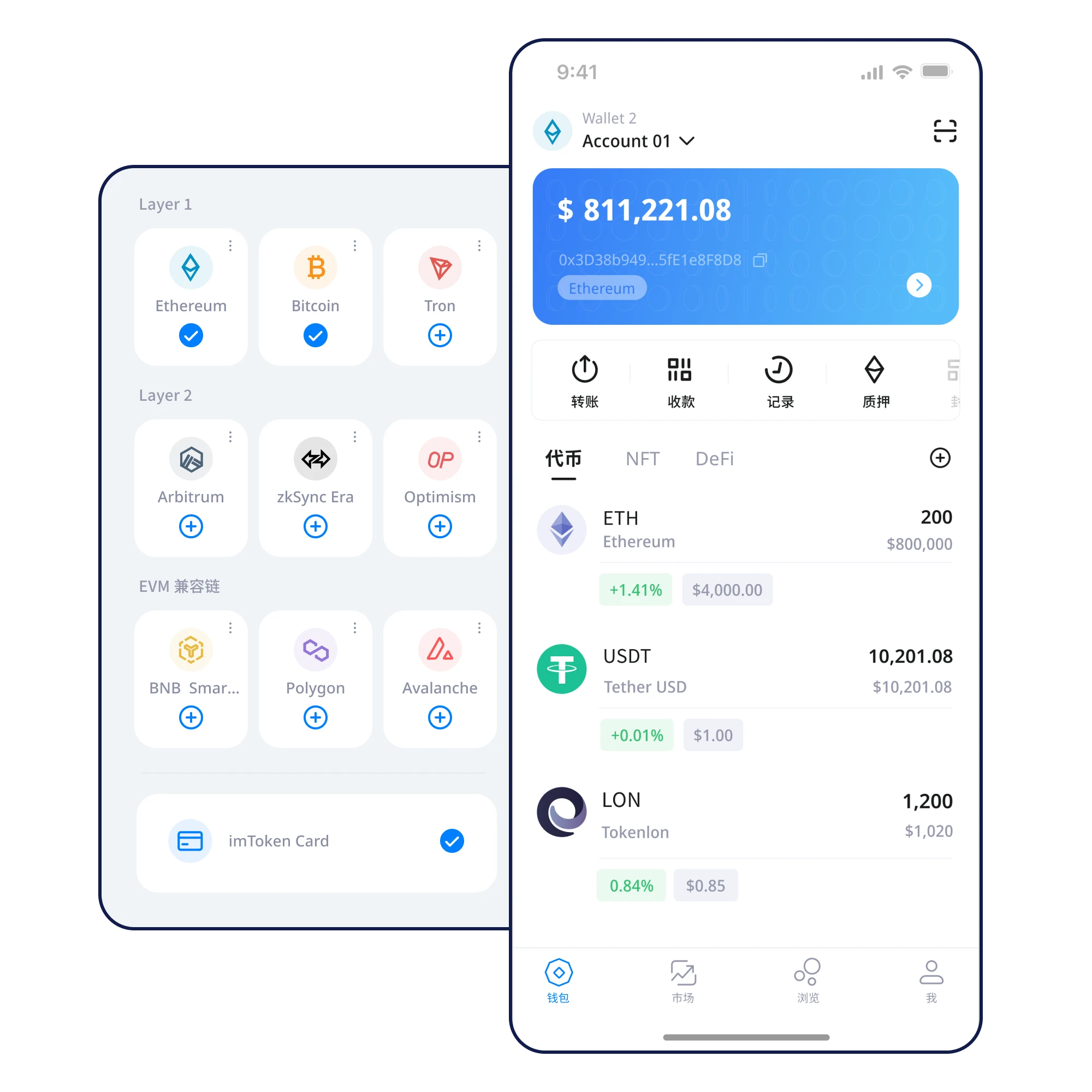
Total assets · illustrative
See how an asset overview can make token, network and transaction context easier to understand. Values shown here are purely illustrative.
Check the domain independently and avoid unsolicited download links.
Check Before InstallingChoose the correct setup path and secure the device before going further.
Create Your First WalletWrite down every word in order without screenshots or online notes.
Your First Recovery Phrase BackupStore the backup offline and verify it through a trusted flow.
Recover a Wallet SafelyDistinguish network, token, balance and contract before moving funds.
Organize Assets Across NetworksVerify chain, address, amount and fees, then test small.
Review a Transfer Before SigningUnderstand the difference between a wallet address, private key and recovery phrase. Keep credentials outside shared or connected notes.
A verified backup matters before you change devices or lose access. Store it independently of your app passcode.
Network mismatches, malicious approvals and copied addresses deserve a deliberate second look.
You keep responsibility for recovery credentials.
You verify network, address and transaction intent.
You prepare for lost access before it occurs.
Short, practical chapters connect core wallet concepts to everyday decisions.
Different chains require different receiving networks and token contracts.
Organize Assets Across NetworksIndependently verify the domain and source.
Never enter a phrase into a support form or chat.
Match chain and full address before signing.
Complete and check the backup before sending funds.
Learn about custody, backups, network selection and safer transactions.
See all questionsSelf-custody means you control recovery credentials. Verify how a particular wallet actually manages its keys before relying on it.
Keys can be stored offline, but checking blockchain data and broadcasting signed transactions typically requires connectivity.
Write it down in order, store it offline and protect it from physical access. Avoid photos, cloud storage and messaging apps.
A private key authorizes actions for an account; a recovery phrase can typically reconstruct multiple keys and accounts.
Review the source, protect your recovery phrase and check every transaction before signing.
⬇ Download Now